Anchorage
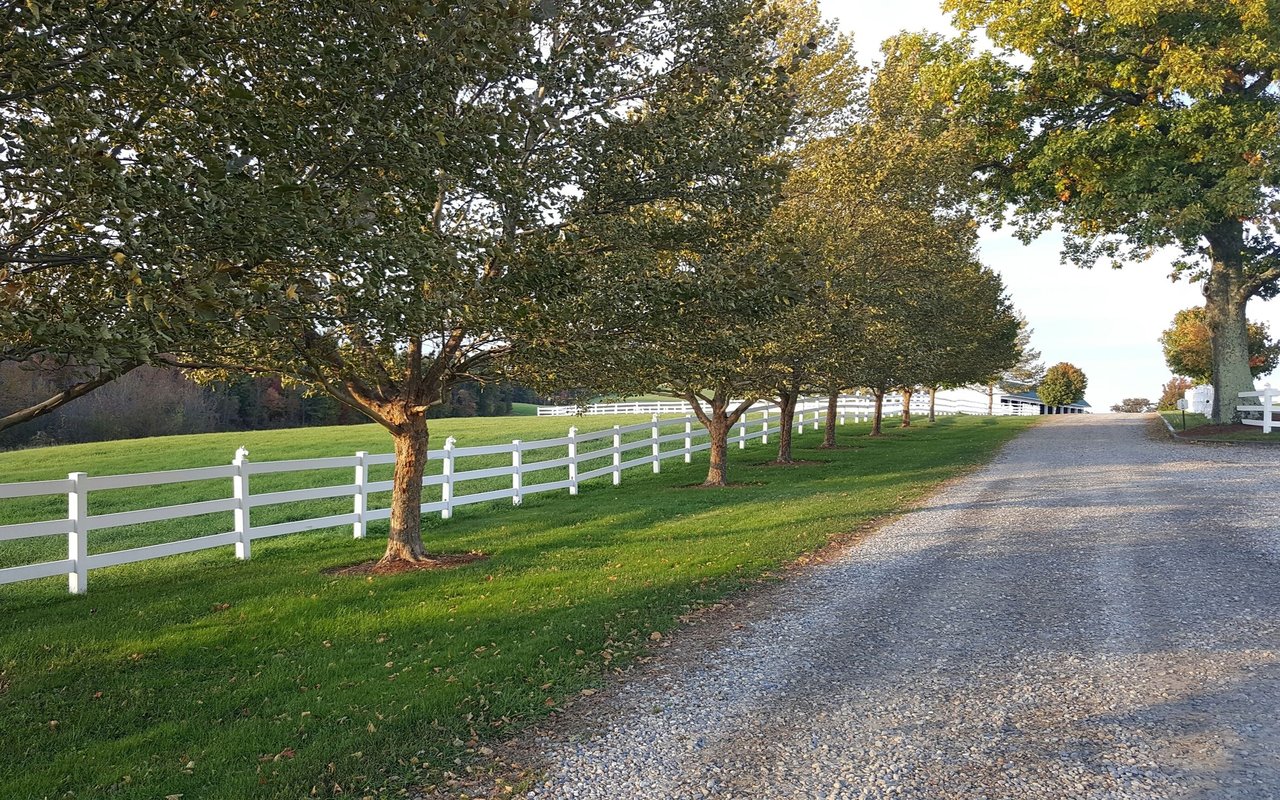
Located approximately 15 miles east of downtown Louisville, Anchorage offers a setting that feels remarkably private and pastoral.
Located approximately 15 miles east of downtown Louisville, Anchorage offers a setting that feels remarkably private and pastoral.
Anchorage is one of the Louisville area's most distinctive residential communities, valued for its historic architecture, wooded landscapes, winding roads, and enduring small-town character. Although Louisville has grown around it, Anchorage remains an independent home rule city with its own identity, municipal services, traditions, and strong commitment to preservation.
Located approximately 15 miles east of downtown Louisville, Anchorage offers a setting that feels remarkably private and pastoral. Mature trees form a canopy over many streets, historic homes sit comfortably within generous grounds, and an extensive network of paths and trails encourages residents to experience the community on foot.
Anchorage is refined without feeling formal. Its appeal comes from the natural relationship among architecture, landscape, history, and community life. For those drawn to important older homes, thoughtful stewardship, and a peaceful environment with convenient access to the city, Anchorage remains one of the region's most compelling places to live.
The landscape is central to the Anchorage experience. Tree-shaded roads, deep lawns, stone walls, wooded acreage, and gently rolling terrain create a setting that feels more like an established country village than a conventional suburb.
Many properties are framed by mature trees and gardens that have developed over generations. The resulting sense of privacy is significant, yet the community does not feel isolated. Homes are connected by quiet streets, paths, and shared green spaces that encourage walking and a more relaxed pace of life.
Anchorage has long treated its tree canopy as an essential community asset. Its Forestry Board, preservation efforts, and local regulations reflect the importance placed on protecting the landscape that gives the city so much of its character.
Anchorage is especially known for its network of walking trails and traditional horse paths. These routes wind through wooded areas, connect residential streets, and provide a distinctive way to experience the city away from ordinary traffic.
The trails are used for walking, running, cycling where permitted, and enjoying the changing seasons. Their presence gives Anchorage an unusual degree of pedestrian connection for a community defined by larger lots and a rural atmosphere.
Outdoor living often continues at home. Depending on the property, residents may enjoy broad lawns, covered porches, terraces, pools, garden rooms, wooded areas, or space for more extensive landscape plans. The size and privacy of many properties allow outdoor spaces to feel like a natural extension of the residence.
Anchorage began as a rural village of farms, country houses, and summer cottages. Its architecture reflects that history through a remarkable variety of residences rather than a single period or style.
The community includes nineteenth-century homes, traditional cottages, farmhouses, Colonial Revival and Tudor Revival residences, Arts and Crafts influences, mid-century homes, and carefully designed contemporary additions. Many properties retain original hardwood floors, fireplaces, millwork, windows, porches, and other features that establish a clear sense of place.
The Anchorage Historic District was listed on the National Register of Historic Places in 1982, and its boundaries were later expanded to include much of the city. A local Historic Preservation Commission reviews regulated changes to landmarks and properties within the preservation district.
This commitment to preservation has helped Anchorage maintain its architectural continuity as the surrounding Louisville area has developed. Renovation is welcomed when approached thoughtfully, but historic character, scale, materials, and the relationship between a home and its site remain important considerations.
Anchorage's landscape is not simply the result of age. In 1914, prominent resident Isaac W. Bernheim helped engage the firm of Frederick Law Olmsted to create a plan for the community's growth.
The plan incorporated landscape principles associated with the Olmsted tradition, including curving roads, stone bridges, carefully considered intersections, and a close relationship between the built environment and the natural terrain.
That influence can still be felt in the way Anchorage unfolds. Roads follow the land rather than forcing a rigid grid, trees and open space soften the transition between properties, and the community feels discovered gradually rather than seen all at once.
Anchorage's early development was closely connected to transportation. The Louisville and Frankfort Railroad reached the area in 1849, and the community was known for a time as Hobbs' Station in recognition of surveyor and landowner Edward Dorsey Hobbs.
The city took its present name from The Anchorage, the retirement home of riverboat captain James W. Goslee. Local tradition connects the anchor displayed in the center of town to Captain Goslee's steamboat, the Matamora. Set within a locomotive wheel, the landmark symbolizes both the river and railroad influences that shaped the community.
Anchorage incorporated in 1878. Train and interurban service later made it possible for residents to travel between the village and Louisville, encouraging the construction of country homes, summer residences, schools, and churches.
Many of the city's larger estates were gradually divided over the following century, but thoughtful planning and preservation allowed Anchorage to grow without losing the wooded, spacious character that first distinguished it.
Anchorage is unusual in having its own independent public school district. Anchorage Public School serves students from kindergarten through eighth grade and has been part of the community for more than a century.
The school is located near the center of the city and plays an important role in community life. Its independent governance, traditions, academic programs, arts, athletics, and parent involvement make it a significant consideration for many homebuyers.
School district boundaries do not align perfectly with every area commonly described as Anchorage. Buyers should confirm that a specific property lies within both the City of Anchorage and the Anchorage Independent School District, as the municipal boundary, postal address, neighborhood name, and school assignment may differ.
After eighth grade, students may pursue high school through the applicable public school options or through one of the Louisville area's private or parochial schools. Enrollment policies and assignments should always be verified directly with the appropriate school district.
Anchorage has a genuine sense of community that is reinforced by its small scale, local government, civic organizations, churches, school traditions, and seasonal events. City employees, police, elected officials, and residents often know one another, contributing to an atmosphere that feels personal and connected.
The city has several small businesses and services, but it is not a heavily commercial community. This limited development helps preserve its quiet residential character while nearby Middletown, Lyndon, St. Matthews, and the broader East End provide extensive shopping, dining, medical, and professional services.
The center of Anchorage feels modest and authentic rather than manufactured. Historic buildings, the school, city offices, churches, railroad heritage, and community landmarks form a recognizable heart for the city.
Anchorage feels removed from city congestion, yet it remains well positioned within eastern Jefferson County. Evergreen Road, La Grange Road, Shelbyville Road, and nearby interstate connections provide access to downtown Louisville, East End employment centers, medical facilities, shopping, and dining.
Middletown and Lyndon are close at hand for everyday conveniences, while St. Matthews, Prospect, and downtown Louisville remain readily accessible. This balance allows residents to enjoy a peaceful home environment without giving up the cultural and practical advantages of the metropolitan area.
Travel times can vary significantly during peak hours, and railroad crossings are part of daily life in portions of the community. The location of an individual property within Anchorage can affect its access pattern, privacy, and exposure to road or train activity.
Real estate in Anchorage is diverse, but availability is often limited. Buyers may encounter a historic cottage near the center of town, a traditional residence on a wooded lot, a renovated estate, a mid-century home, or newer construction designed to respect the scale and landscape of the surrounding community.
Homes vary considerably in age, size, architectural importance, condition, and acreage. Square footage alone rarely explains value. Setting, privacy, tree canopy, historic designation, quality of renovation, outbuildings, topography, and proximity to trails or the city center may all influence a property's market position.
Older Anchorage homes often reward careful stewardship. Original windows, masonry, slate or specialty roofing, plaster walls, historic millwork, and mature landscaping may require experienced tradespeople and a more specialized approach to maintenance.
Buyers considering renovation, demolition, an addition, tree removal, subdivision, or new construction should determine whether the property lies within the Anchorage Historic Preservation District and review all applicable city permits and development requirements before proceeding. Approval standards may address exterior design, materials, scale, siting, and the effect of proposed work on the surrounding historic character.
Larger lots may include private drives, drainage features, creeks, bridges, pools, guesthouses, barns, or other improvements that warrant additional inspection. Mature trees are an important asset, but their health, placement, and relationship to structures should also be evaluated.
The words Anchorage, Anchorage postal area, Anchorage school district, and Anchorage Historic Preservation District do not always describe identical boundaries. Buyers should confirm the legal city, tax district, school district, zoning, preservation status, and any deed restrictions for the specific property.
Anchorage offers a way of life that cannot be recreated simply by building a large home on a large lot. Its value lies in the relationship among historic architecture, mature landscape, thoughtful planning, community traditions, and the quiet beauty of an established place.
It remains one of the Louisville area's most admired residential communities, offering privacy, history, natural beauty, and a strong sense of identity within easy reach of the city.
Experience trusted guidance, personalized service, and proven expertise with Nancy, dedicated to helping you achieve your real estate goals with confidence.

Nancy Stevens
1757 Frankfort Ave Louisville, KY 40206


